


Description
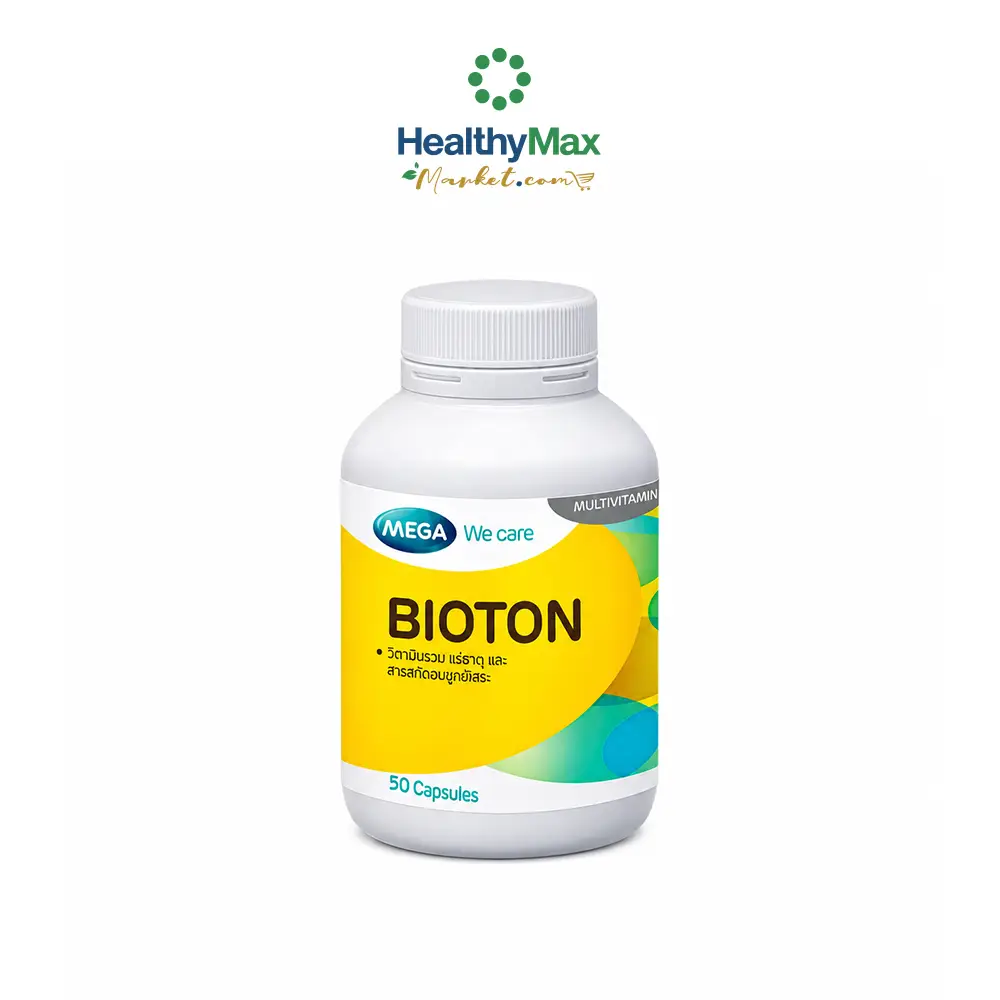
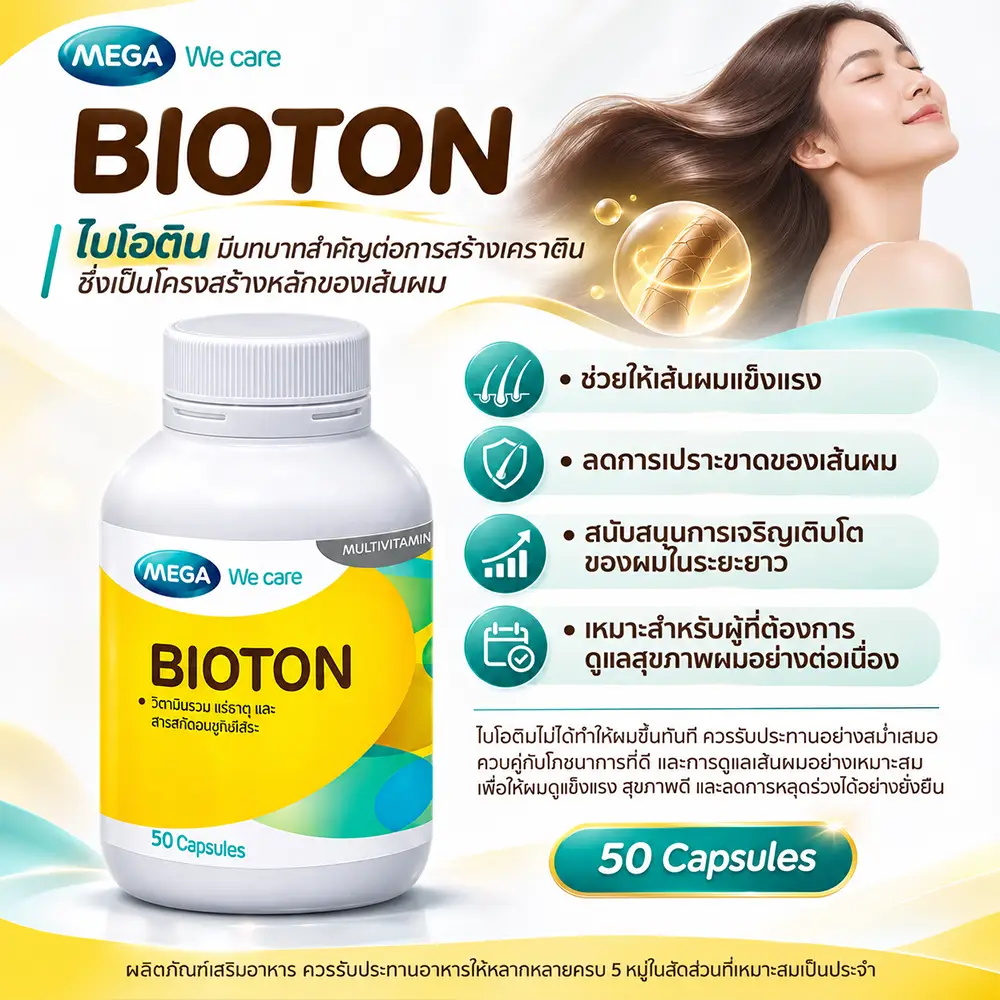
MEGA We Care Bioton 50 Capsules
Quick Summary: What Does Biotin Do?
Answer: Biotin is a water-soluble B vitamin that acts as a coenzyme, helping the body utilize nutrients. Biotin deficiency may cause thinning hair, skin rashes, and brittle nails. However, taking a biotin supplement does not guarantee hair regrowth or prevent hair loss. If hair loss persists, the underlying cause should be properly evaluated.
- What is it? Vitamin B7, also known as Vitamin H.
- What is it involved in? Nutrient metabolism and normal body functions.
- When should it be taken? Follow the directions on the product label. It does not necessarily need to be taken specifically in the morning.
- How much is needed? For adults aged 19 years and older, the Adequate Intake (AI) is 30 micrograms per day from all dietary sources. This is not a recommended dosage for a dietary supplement.
- Important precaution: High doses of biotin may interfere with certain laboratory test results.
What is Biotin?
Biotin is Vitamin B7, also known as Vitamin H. It is a water-soluble vitamin that helps certain enzymes in the body function normally. It is involved in the metabolism of carbohydrates, fats, and amino acids. The body obtains biotin from many different foods.
Biotin deficiency is uncommon, but it may cause symptoms such as thinning hair, hair loss, facial skin rashes, or brittle nails. These symptoms may also result from other causes, so biotin deficiency should not be diagnosed based on symptoms alone.
Functions and Benefits of Biotin in the Body
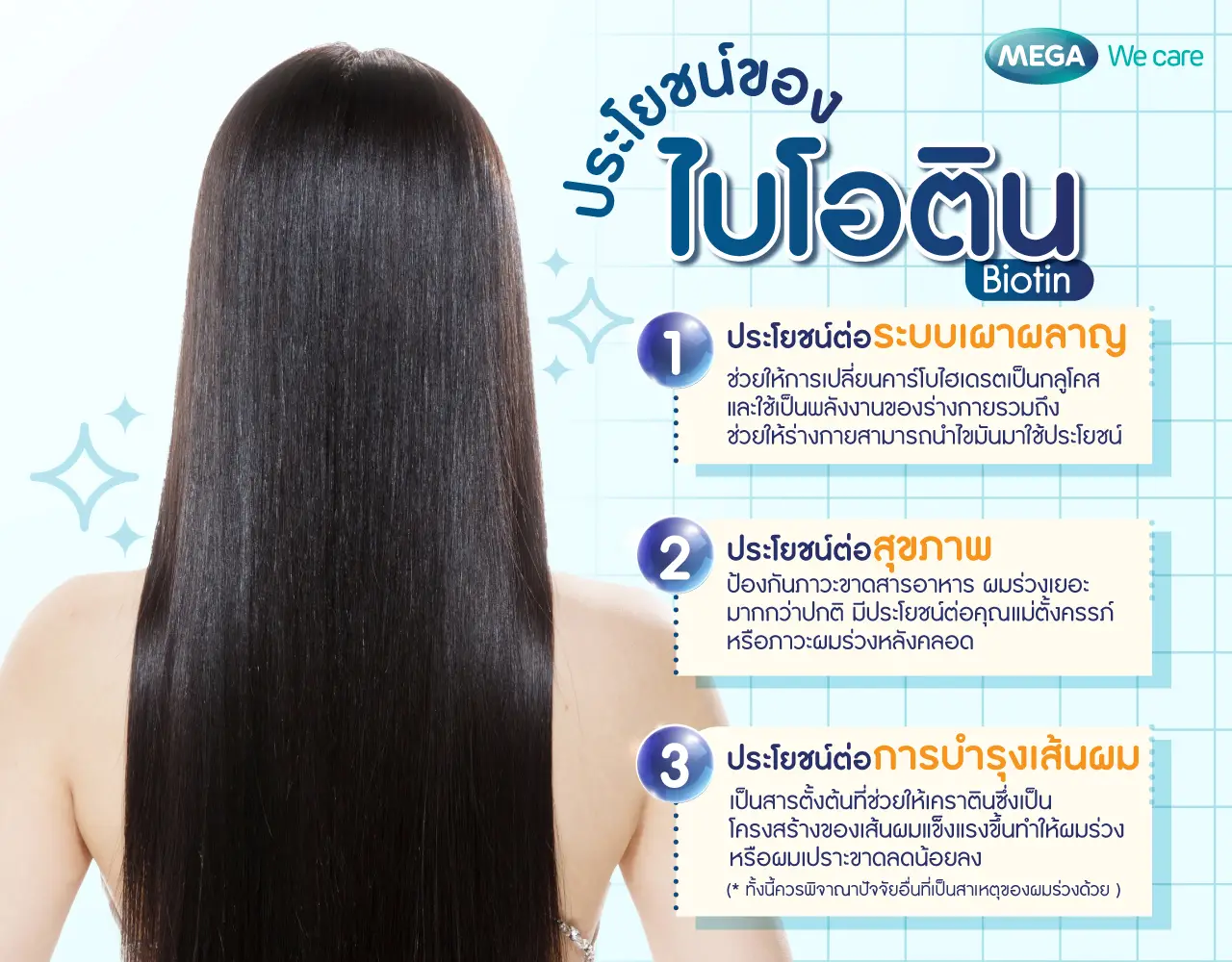
Biotin primarily functions as part of enzyme systems that support normal metabolism rather than acting as a substance that directly stimulates hair growth.
1. Supports Nutrient Metabolism
Biotin supports enzymes involved in fatty acid synthesis, glucose production from certain precursors, and the breakdown of certain amino acids, helping the body utilize nutrients normally.
2. Supports Normal Body Functions
Adequate biotin intake helps prevent problems associated with biotin deficiency. However, for people who already obtain sufficient biotin from their diet, there is currently insufficient evidence to conclude that consuming additional biotin provides extra benefits.
3. Associated with Hair, Skin, and Nail Health
Biotin deficiency may be associated with thinning hair, skin rashes, and brittle nails. Correcting a nutritional deficiency under professional guidance may help improve symptoms caused by that deficiency. However, research on biotin supplementation for improving hair health in the general population remains limited.
Does Biotin Reduce Hair Loss or Make Hair Grow Faster?
The answer is: not for everyone. Biotin is an essential nutrient, but there is currently insufficient high-quality research to confirm that taking additional biotin can treat hair loss or accelerate hair growth in people who are not biotin deficient.
Hair loss may be associated with genetics, hormonal changes, stress, certain medical conditions, medications, or nutritional deficiencies such as iron or protein deficiency. If hair loss is excessive, occurs in patches, or is accompanied by scalp symptoms, consult a physician to determine the underlying cause rather than increasing vitamin intake on your own.
When is the Best Time to Take Biotin?
Biotin is a water-soluble vitamin. In general, it does not need to be taken at a specific time of day, such as in the morning or before bedtime. There is also no clear evidence that taking biotin at a particular time provides greater benefits for hair. If using a dietary supplement, follow the directions on the product label or the advice of a physician or pharmacist.
How Long Should Biotin Be Taken Before Results Are Seen?
There is no standard period that guarantees hair-related results for everyone. If hair loss is caused by biotin deficiency, recovery may depend on nutritional status, the underlying cause, and appropriate treatment. For individuals who are not biotin deficient, there is insufficient evidence to determine whether supplementation for a specific number of weeks or months will produce noticeable results.
How Much Biotin is Needed Per Day?
According to the U.S. National Institutes of Health Office of Dietary Supplements (NIH ODS), the Adequate Intake (AI) for adults aged 19 years and older is 30 micrograms per day. The AI is also 30 micrograms per day during pregnancy and 35 micrograms per day during breastfeeding. These amounts refer to total intake from food and other sources and are not recommendations to purchase or take dietary supplements at these dosages.
Biotin intake should not be increased to hundreds or thousands of micrograms per day for self-treatment of hair loss, as there is insufficient evidence supporting such use in the general population. High-dose biotin may also interfere with certain laboratory tests.
What Foods Contain Biotin?
Eating a varied diet is the primary way to obtain biotin. Natural food sources of biotin include:
- Organ meats: such as liver.
- Meat, fish, and cooked eggs: provide biotin together with other nutrients.
- Nuts and seeds: such as almonds and sunflower seeds.
- Certain vegetables: such as sweet potatoes, spinach, and broccoli.
The amount of biotin varies between foods. Eating a balanced and varied diet is generally more appropriate than relying on a single dietary supplement.
How to Choose MEGA We Care Bioton 50 Capsules and Other Biotin Products
MEGA We Care Bioton 50 Capsules is the product discussed in this article. Before deciding to use any product, check the information on the actual product label. The amount of biotin, ingredients, and directions for use should not be assumed from the product name alone.
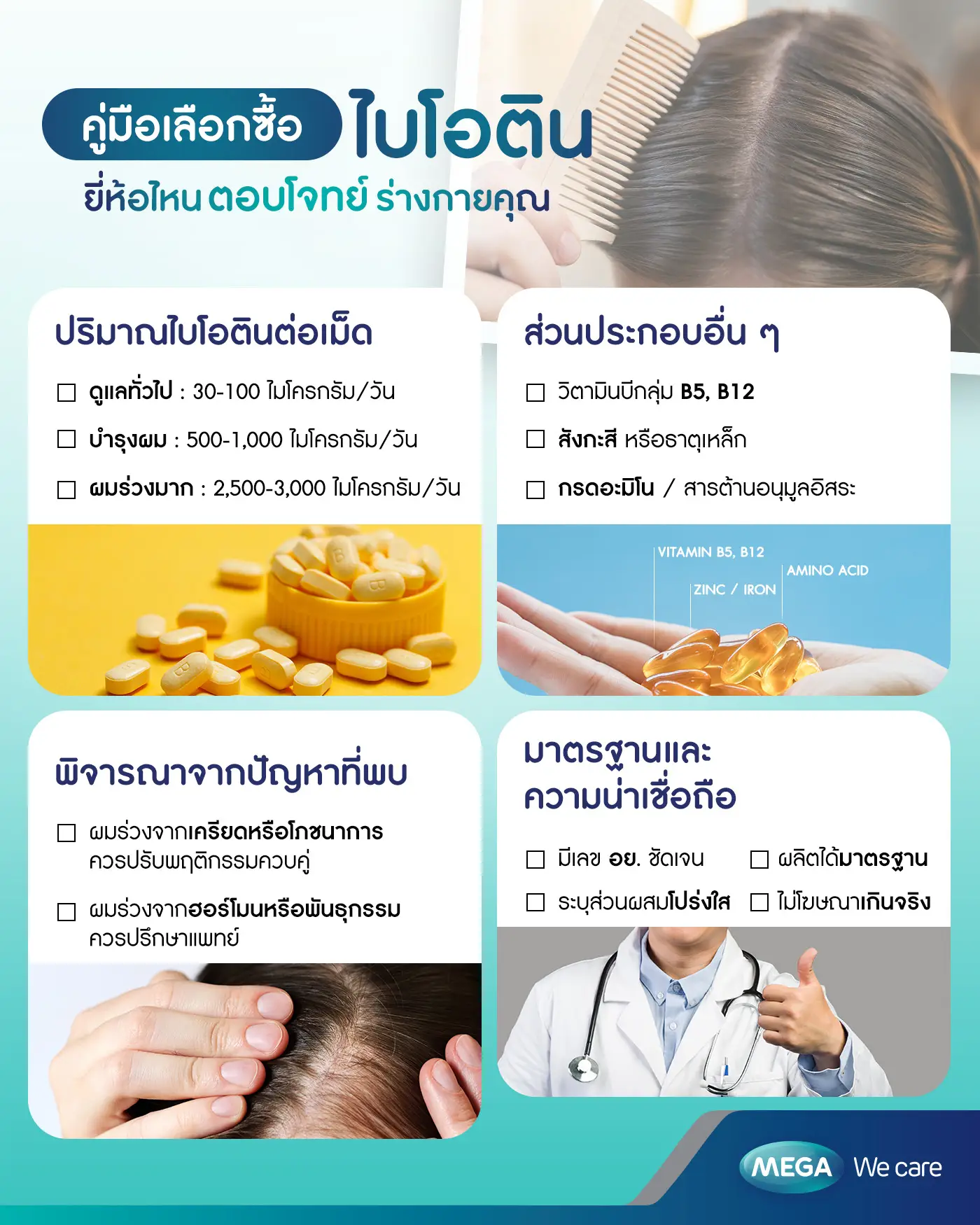
1. Check the Amount of Nutrients per Serving
Check the amount of biotin and any other vitamins or minerals per capsule, together with the recommended serving size on the label, to help avoid consuming duplicate nutrients from multiple supplements.
2. Choose According to Your Needs and the Cause of Your Symptoms
If you are concerned about hair loss, brittle nails, or skin problems, consider whether other contributing factors may be involved. Biotin supplementation cannot replace proper diagnosis and treatment of hair loss caused by other conditions.
3. Check the Label, Registration Information, and Manufacturer Details
Check the product name, ingredient list, amount per serving, directions for use, warnings, expiration date, and relevant registration or product notification information according to the product category. Always use the information on the actual product packaging as the primary reference.
4. Consult a Pharmacist if You Take Medication or Have Specific Health Conditions
Pregnant or breastfeeding women, people with underlying medical conditions, individuals taking regular medications, and those who need laboratory blood tests should inform their physician or pharmacist about all dietary supplements they are taking before use.
Precautions When Taking Biotin
Important information: Dietary supplements containing biotin, particularly at high doses, may interfere with certain laboratory test results, including thyroid hormone tests and troponin tests used in the evaluation of certain heart conditions. The degree of interference depends on the laboratory testing method used.
If you are taking a product containing biotin and are scheduled for a blood test, inform your physician and laboratory staff in advance. Do not stop medication or supplements, or postpone medical testing, without advice from your healthcare provider.
Summary: Appropriate Hair Care Starts with Understanding the Cause of Hair Loss
Biotin is a vitamin required by the body in small amounts. Adequate intake is part of good nutrition, but taking additional biotin does not necessarily mean that hair will grow faster or that hair loss will stop. Appropriate hair care should include a varied diet, adequate rest, and evaluation of the underlying cause when abnormal hair loss occurs.
If you would like to compare product information or ask about choosing dietary supplements, contact HealthyMax Health Products Store or contact us via LINE OA @HealthyMax. Always check the actual product information before making a purchase decision.
Frequently Asked Questions About Biotin (FAQ)
What vitamin is Biotin?
Biotin is Vitamin B7, also known as Vitamin H. It is a water-soluble vitamin involved in the metabolism of carbohydrates, fats, and amino acids.
Does Biotin help hair grow faster?
There is currently insufficient evidence that biotin supplementation accelerates hair growth in individuals who are not biotin deficient. If you are experiencing hair loss, other possible causes should also be evaluated.
When is the best time to take Biotin?
There is generally no specific time of day proven to be best for hair-related benefits. If using a dietary supplement, follow the directions on the label or advice from a healthcare professional.
How many micrograms of Biotin should adults get per day?
The Adequate Intake (AI) for adults aged 19 years and older is 30 micrograms per day from food and other sources combined. This is not a treatment dosage for hair loss.
Can Biotin be taken with other vitamins?
Some products already combine biotin with other vitamins and minerals. Check the ingredients of all supplements you use to avoid duplicate intake, and consult a pharmacist if you regularly take medication.
Can Biotin help prevent grey hair?
There is currently insufficient evidence that biotin supplementation can prevent or reverse age-related or genetically determined grey hair.
Should pregnant or breastfeeding women take additional Biotin?
Biotin requirements vary according to life stage, but high-dose supplements should not be started without professional advice. Pregnant or breastfeeding women should consult a physician to assess nutritional needs and suitability.
Can I take Biotin before a blood test?
Inform your physician and laboratory staff if you are taking biotin, as it may interfere with certain laboratory tests. Your healthcare provider should advise whether any adjustment is needed before testing.
References About Biotin
- NIH Office of Dietary Supplements. Biotin — Consumer Fact Sheet (information on biotin’s functions, adequate intake, and evidence related to hair health)
- NIH Office of Dietary Supplements. Biotin — Health Professional Fact Sheet (scientific information and limitations of current research)
- U.S. Food and Drug Administration (FDA). Biotin Interference with Troponin Lab Tests (information about interference with laboratory test results)
- Food Network Solution. Vitamin H (Biotin)
- Scimath. Vitamin H
- Fascino. Biotin: A Nutrient for Hair and Nails
- HDmall. Biotin
Note: This content is intended for general health information only and is not a substitute for diagnosis or individualized advice from a physician or pharmacist. It does not claim or guarantee that dietary supplements can prevent or treat disease.



Reviews
There are no reviews yet.